Language, reality and difference
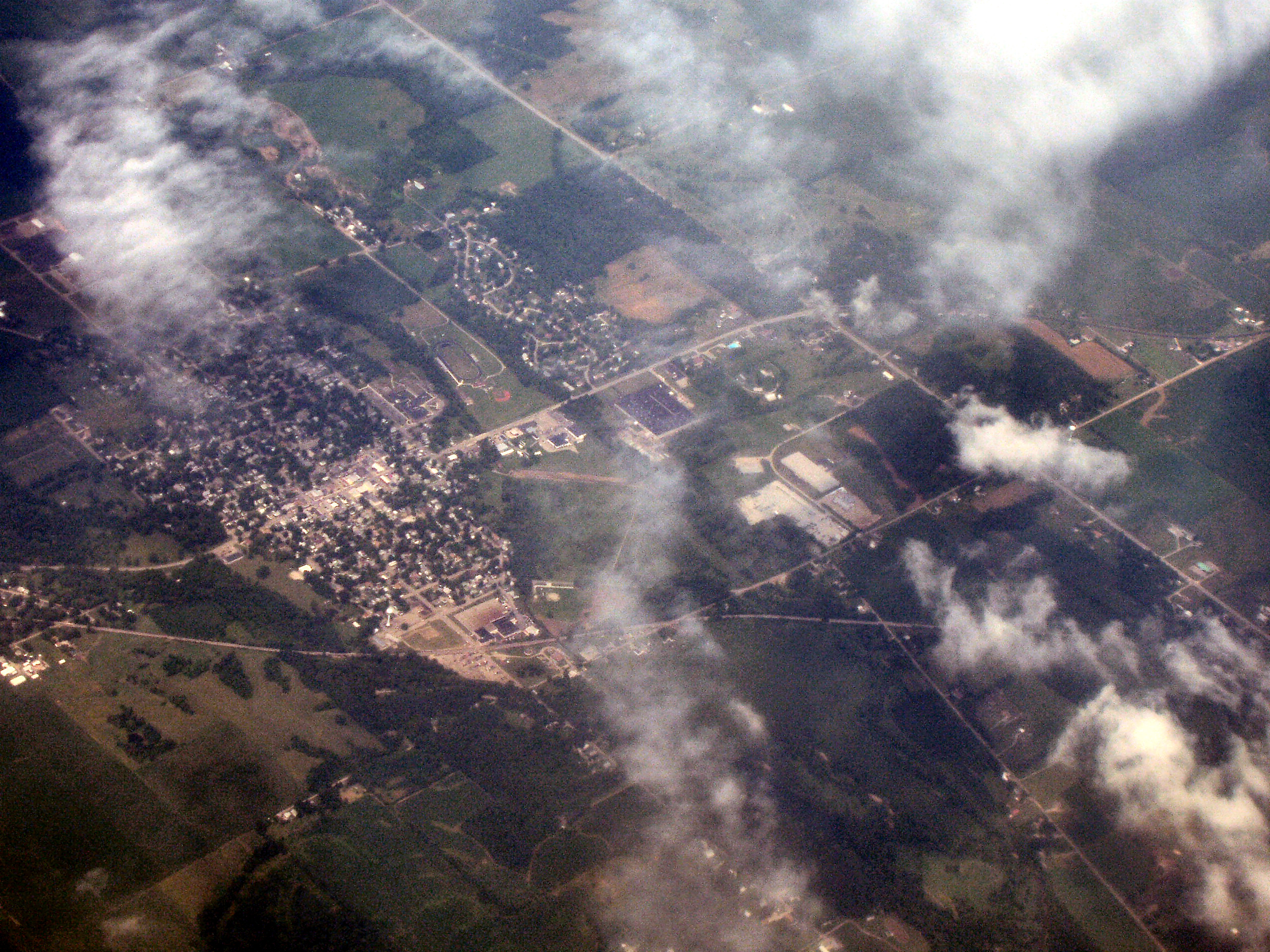
The concepts of similarity and difference are extrordinarily complex. One never knows if things should be classified as similar because we think so, or because things actually are that way. I mean, although whenever we arduously defend the connection or distinction between two things, it always seems like there really is something about the way the world is that makes those two things distinct. But any judgement like that requires a judge.
Take for example Hagerstown, Indiana. Here's a small town that looks pretty similiar to many small towns. The fact that there is a classification of "small town" attests to their similarity. However, it takes the context of looking at Hagerstown from far away that gives us this perspective. I am sure, that were we to find ourselves in Hagerstown, we would remark at its idioscraticies and unqiue differences.
It makes me wonder whether similiarity and difference are real, objective concepts. If they are always context dependent, then they can never be objective. Therefore, nothing is ever alike or different. But this conclusion is absurd. How can two seperate entities be neither alike, nor different?
Perhaps I am equivocating, but at the midnight-perspective I have now, it seems that these concepts must be linked back to people. Which leads to psychologism, which is not a grand destination, as far as I can see. If all distinctions are context dependent, then all of language (and even reality) rests on a mistake.
posted by T at 12:00 am
| 


Permalink http://procrastinatehere.blogspot.com/2005/09/language-reality-and-difference.html

1 Comments:
So much for a random anonymous small town example.
Post a Comment
<< Home